


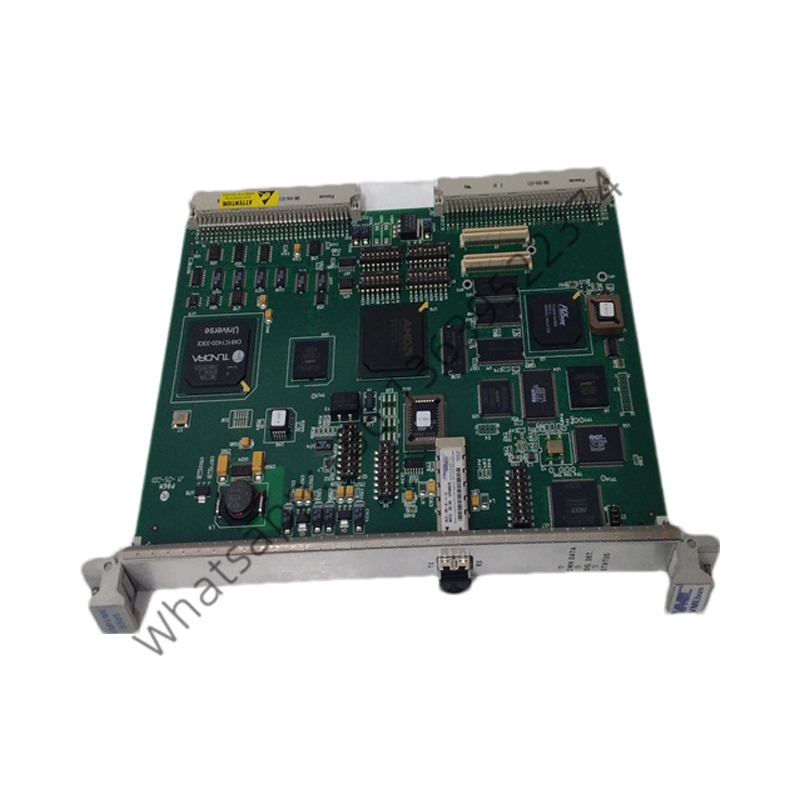
- Digital-to-Analog Converter (DAC):
- Each of the 16 analog output channels has its own sample-and-hold (S&H) output.
- A 12-bit DAC is used for the analog outputs, providing smooth and accurate signal generation.
- Input Types: Supports both single-ended (SE) and differential (Diff) input configurations, allowing for flexible connection to various sensors and signal sources.
- Voltage Ranges:
- Inputs: Single-pole (0 to +10 V, 0 to +5 V) or bipolar (±2.5 V, ±5 V, ±10 V), catering to a wide range of signal levels.
- Outputs: Each output channel can provide or sink 10 mA of current at voltages up to ±10 V, making it suitable for driving various loads.
- A/D Conversion Time: 15 microseconds, ensuring fast and responsive data acquisition.
- A/D Acquisition Time: 10 microseconds, minimizing the delay between signal sampling and conversion.
- A/D Throughput: Up to 40 kHz (maximum), allowing for high-speed data processing in real-time applications.
- Common-Mode Range: ±11 V (maximum), providing excellent common-mode rejection for noisy environments.
- Common-Mode Rejection: 82 dB, ensuring accurate signal measurement even in the presence of common-mode noise.
- Operating Modes:
- Auto-Scan Mode: Continuously scans all channels upon power-up or program selection, storing digitized data in dedicated dual-port registers for easy retrieval.
- Random Polling Mode: Requires the control program to initiate each conversion, with conversion completion determined by polling the conversion end status bit.
- Scan Polling Mode: Performs a single scan of all channels, with scan completion determined by polling the scan end control bit.
- Built-in Test (BIT): Supports 100% testing of active components on the board, ensuring reliable operation and facilitating troubleshooting.
- Output Protection: Features output short-circuit protection and is designed to be fail-safe during power-off conditions, enhancing system durability.
- Address Selection: The physical address of the board can be selected using onboard jumpers, with VMEbus address lines A06 to A15 decoded to select the board.
- Connectivity: Analog signals are accessible via the P2 backplane connector, providing a convenient and reliable connection interface.
- Power Supply: The board can be equipped with a replaceable power supply board, facilitating maintenance and upgrades.
Functional Characteristics of GE VMIVME-4514
- High Precision: The 12-bit resolution ensures accurate signal conversion for both inputs and outputs, making it suitable for applications requiring precise measurement and control.
- Flexible Configuration: Supports multiple voltage ranges and input types (single-ended or differential), allowing for versatile use in various applications.
- Continuous Scanning: The auto-scan mode enables continuous, automated sampling of all input channels, reducing the need for extensive programming and simplifying system integration.
- Built-in Diagnostics: The comprehensive built-in test functionality ensures reliable operation by verifying the integrity of all active components.
- Robust Protection: Features overvoltage protection on inputs and short-circuit protection on outputs, enhancing system durability and reliability.
- Easy Integration: Designed for VMEbus systems, facilitating seamless integration into existing industrial and automation setups.
Application Scenarios of GE VMIVME-4514
- Factory Automation and Instrumentation: Used in manufacturing processes for precise control and monitoring of machinery and equipment, improving production efficiency and product quality.
- Process Control: Ideal for real-time monitoring and control in chemical processing, oil and gas production, and water treatment applications, ensuring stable and efficient operation.
- Laboratory Instruments: Provides high-precision signal conversion for various laboratory testing and measurement equipment, supporting scientific research and development.
- Machine Monitoring: Enables continuous monitoring of machine health and performance, facilitating predictive maintenance and reducing downtime.
- Data Acquisition Systems: Supports high-speed data collection and processing for research and development, as well as quality control applications, providing valuable insights for decision-making.
- Simulation and Training: Utilized in simulation systems for training operators and technicians in a controlled environment, improving skills and reducing training costs.


There are no reviews yet.